
Long-term chiropractic rehabilitation after car wrecks naturally focuses on restoring mobility and mitigating chronic pain through manual adjustments, therapeutic exercises, and lifestyle modifications. Key insights include building a collaborative relationship with the chiropractor, adhering to home care routines, understanding treatment science, and setting realistic goals. Personalized assessments, tailored exercises, anti-inflammatory diets, psychological resilience, and quality sleep accelerate recovery, improving quality of life and promoting enhanced mobility. Education and open communication are crucial for optimal outcomes.
Long-term injuries resulting from motor vehicle accidents pose significant challenges to individuals' mobility and quality of life. Chiropractic rehabilitation plays a pivotal role in restoring function and alleviating pain for those affected by such incidents, particularly focusing on long-term chiropractic rehabilitation after car wrecks. This comprehensive exploration delves into effective strategies to enhance recovery, emphasizing natural approaches tailored to the unique needs of patients navigating this complex landscape. By examining evidence-based techniques, we aim to provide valuable insights for healthcare professionals and individuals seeking optimal mobility restoration post-injury.
- Understanding Long-Term Chiropractic Care After Car Accidents
- Personalized Rehabilitation: A Step-by-Step Guide for Optimal Recovery
- Nurturing Resilience: Lifestyle Changes for Lasting Mobility Restoration
Understanding Long-Term Chiropractic Care After Car Accidents

Long-term chiropractic care after car accidents plays a significant role in restoring mobility and mitigating chronic pain for victims. These collisions often result in complex spinal injuries that require specialized treatment beyond initial acute care. Chiropractic rehabilitation focuses on addressing not just physical symptoms but also the underlying structural imbalances caused by trauma.
Chiropractors employ a multifaceted approach, including manual adjustments, therapeutic exercises, and lifestyle modifications, to promote healing and enhance function. Long-term chiropractic rehabilitation after car wrecks naturally involves ongoing adjustments tailored to the patient's evolving needs. Research suggests that chiropractic care can significantly reduce pain, improve quality of life, and expedite recovery for auto accident survivors. For instance, a study published in the Journal of Chiropractic Medicine found that patients who received long-term chiropractic treatment exhibited greater improvements in spinal mobility and overall well-being compared to those who followed traditional medical protocols.
Practical insights into successful long-term chiropractic rehabilitation include establishing a collaborative relationship with the chiropractor, adhering to prescribed home care routines, and attending regular check-ups. Patients should be encouraged to actively participate in their recovery process by understanding the science behind their treatment and setting realistic goals. By integrating these practices, individuals can navigate the challenges of post-accident recovery, regain mobility, and reclaim a sense of control over their physical well-being.
Personalized Rehabilitation: A Step-by-Step Guide for Optimal Recovery

Restoring mobility after long-term injury requires a tailored approach that addresses the unique needs of each individual. Personalized rehabilitation, particularly for patients undergoing long-term chiropractic rehabilitation after car wrecks, is not just a treatment method but a holistic process designed to optimize recovery. This step-by-step guide emphasizes the importance of individualized care, incorporating medical history, physical examinations, and advanced imaging to develop a comprehensive plan.
The initial assessment should include a detailed review of the patient's medical record, discussing past injuries, surgeries, and any ongoing conditions that might impact rehabilitation. Chiropractic professionals then conduct thorough physical evaluations, focusing on range of motion, muscle strength, and neurological status. Advanced imaging like MRI or X-rays can provide crucial insights into structural damage, guiding specific exercises and adjustments. This meticulous approach ensures that every aspect of the patient's condition is considered, leading to more effective interventions.
For instance, a patient with long-term lower back pain resulting from a car accident might begin with gentle stretching and strengthening exercises tailored to improve spinal mobility and core stability. Chiropractic manipulation could target specific joints, while electrical stimulation or ultrasound may be used to aid healing. Regular progress assessments allow for adjustments in the rehabilitation plan, ensuring that treatment remains current and effective. Data suggests that personalized chiropractic rehabilitation after car wrecks can significantly enhance patient outcomes, offering a path to improved mobility and quality of life.
Throughout the process, education plays a vital role. Patients should understand their condition, treatment goals, and the importance of adherence to the rehabilitation program. Regular communication between the patient and healthcare provider fosters trust and ensures that any concerns or issues are promptly addressed. This collaborative approach not only facilitates optimal recovery but also empowers patients to actively participate in their healing journey.
Nurturing Resilience: Lifestyle Changes for Lasting Mobility Restoration
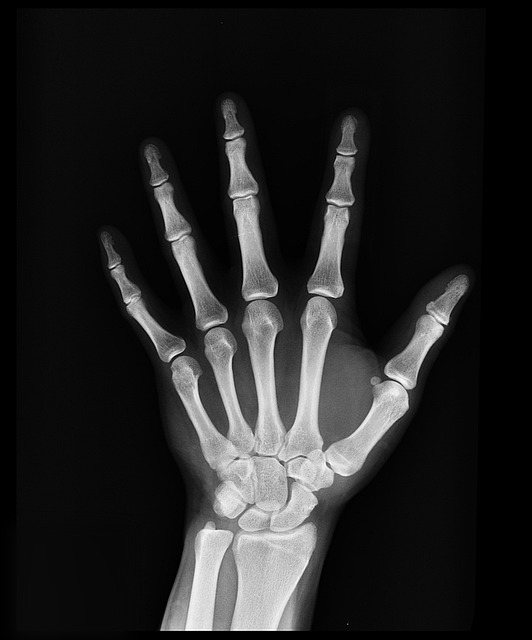
Restoring mobility after long-term injury, particularly following car accidents, requires a holistic approach that extends beyond traditional treatments. Nurturing resilience through lifestyle changes plays a pivotal role in achieving lasting mobility restoration. Long-term chiropractic rehabilitation after car wrecks naturally incorporates these adjustments, focusing on enhancing overall health and promoting the body's inherent ability to heal and adapt.
Chiropractors emphasize the importance of maintaining regular physical activity tailored to individual needs. This may include low-impact exercises like swimming or yoga, which improve strength, flexibility, and range of motion without exacerbating existing injuries. Additionally, dietary modifications focused on anti-inflammatory foods can significantly reduce pain and inflammation, fostering an environment conducive to healing. For instance, studies have shown that individuals who adopt anti-inflammatory diets experience improved functional outcomes in post-injury rehabilitation.
Psychological resilience is another critical component of long-term recovery. Stress management techniques, such as meditation or cognitive behavioral therapy, help patients navigate the emotional challenges associated with prolonged immobilization and pain. By cultivating a mindset of perseverance and adaptability, individuals can better cope with setbacks and maintain motivation throughout their healing journey. Chiropractors often collaborate with mental health professionals to integrate these psychological strategies into the overall rehabilitation plan.
Moreover, prioritizing quality sleep is essential for repairing tissues, regulating hormones, and enhancing immune function. Adequate rest allows the body to synthesize proteins necessary for tissue regeneration while reducing inflammation. Incorporating consistent sleep schedules and creating a relaxing bedtime routine can significantly impact recovery outcomes. Together, these lifestyle changes not only accelerate physical rehabilitation but also empower individuals to take control of their long-term health and mobility.
Restoring mobility after long-term injury, particularly from car wrecks, requires a multifaceted approach. Key insights include the significance of ongoing long-term chiropractic rehabilitation tailored to individual needs, as well as personalized rehabilitation programs that systematically address recovery goals. Nurturing resilience through lifestyle changes is vital for lasting mobility restoration. By combining these strategies, individuals can achieve optimal recovery and regain their independence. This article offers a comprehensive roadmap, empowering readers with practical steps and authoritative guidance to navigate the journey towards restored mobility naturally.