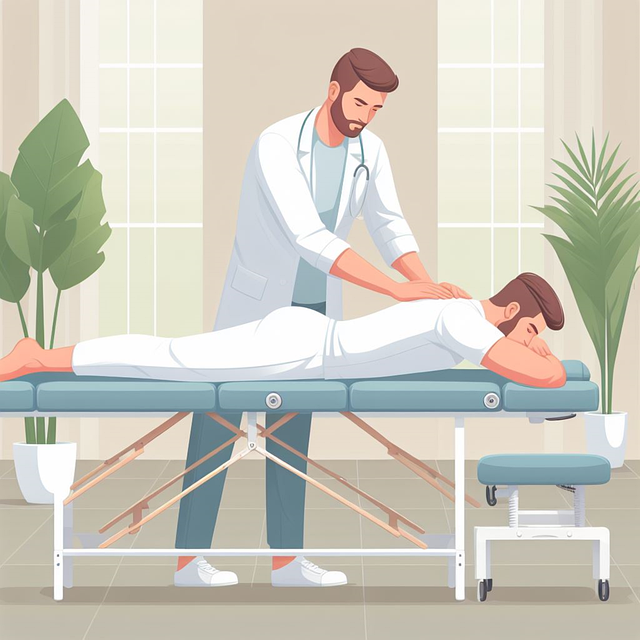
Immediate care after car accidents is vital for survival and long-term health. First responders stabilize patients with severe injuries, while prompt medical care reduces mortality rates. Long-term chiropractic rehabilitation after car wrecks focuses on musculoskeletal system restoration, alleviating pain and improving mobility through tailored strategies like manual adjustments and exercise programs. This holistic approach addresses physical and cognitive impacts, with research showing sustained improvements up to one year post-treatment. Chiropractors also collaborate with mental health professionals to manage psychological toll, enhancing overall patient outcomes. Structured plans, patience, and persistence are key to successful recovery, with education on injury prevention and lifestyle adjustments for long-term health.
Car accidents can have profound and long-lasting effects on victims' lives, with serious injuries often leading to extensive medical care and rehabilitation. As the demand for comprehensive solutions grows, exploring effective strategies for extended care becomes imperative. This article delves into the critical aspect of long-term chiropractic rehabilitation after car wrecks as a holistic approach to recovery. By providing in-depth insights and practical guidance, we aim to empower individuals and healthcare professionals alike to navigate the complex journey of healing and restore function following such traumatic events.
- Immediate Care & Stabilization After Car Wrecks
- Long-Term Chiropractic Rehabilitation Strategies
- Recovery, Restoration & Return to Normalcy
Immediate Care & Stabilization After Car Wrecks

Immediate care and stabilization after car accidents are critical for not just survival but also for mitigating long-term health outcomes. The initial response to a car wreck involves several key steps aimed at securing the patient's well-being, preventing further injury, and facilitating efficient transport to medical facilities. First responders and emergency medical services (EMS) personnel play a pivotal role in these early interventions. They assess the scene, provide basic life support if needed, and stabilize patients with severe injuries such as fractures, head trauma, or internal bleeding before transfer to hospitals.
Stabilization efforts include ensuring airway management, controlling bleeding, maintaining patient warmth, and addressing any respiratory distress. In cases of spinal cord injuries or suspected skull fractures, immobilization is paramount to prevent further damage. This often involves specialized equipment and techniques to ensure the patient's safety during transport. For instance, data from the National Highway Traffic Safety Administration (NHTSA) indicates that prompt medical care significantly reduces mortality rates among severe car accident victims. Effective immediate care not only preserves life but also lays the groundwork for successful long-term recovery.
Following initial stabilization, patients often require extended care, especially those with complex injuries such as whiplash or multiple fractures. Long-term chiropractic rehabilitation after car wrecks has emerged as a valuable approach to address these challenges. Chiropractors specialize in the manipulation of the musculoskeletal system, focusing on the spine and nervous system, to alleviate pain, improve mobility, and restore function. This holistic treatment method can complement traditional medical care by addressing the subtle yet significant effects of car accidents, such as chronic neck and back pain, headaches, and nerve damage. A comprehensive rehabilitation plan typically involves physical therapy, exercise programs, and educational guidance on injury prevention and recovery best practices.
Long-Term Chiropractic Rehabilitation Strategies

Serious car accidents often lead to complex physical and emotional recoveries. Long-term chiropractic rehabilitation after car wrecks plays a pivotal role in restoring individuals' mobility and overall well-being. This approach, rooted in gentle manipulation and holistic care, addresses the multifaceted impacts of such traumatic events. Chiropractic rehabilitation strategies are tailored to each patient's unique needs, focusing on not just physical healing but also cognitive and psychological support.
Chiropractors utilize a comprehensive set of techniques including manual adjustments, soft tissue therapy, and exercise programs designed to enhance flexibility and strengthen muscles affected by the accident. For instance, research shows that chiropractic care can significantly reduce pain and improve function in individuals post-auto injury. A study published in the Journal of Chiropractic Medicine found that patients undergoing long-term chiropractic rehabilitation experienced sustained reductions in pain levels and improved mobility up to one year after treatment. This effectiveness underscores the value of a committed, multidisciplinary approach.
Beyond physical care, chiropractors often collaborate with other healthcare professionals, such as psychologists and physiotherapists, to address the psychological toll of car accidents. Many survivors struggle with anxiety, depression, and post-traumatic stress disorder (PTSD), conditions that can impede recovery and return to daily activities. Integrative treatment plans that combine chiropractic care with mental health support have shown promising results in enhancing overall patient outcomes. This holistic perspective ensures that individuals not only physically heal from their injuries but also develop the coping mechanisms needed for a fulfilling, post-accident life.
Recovery, Restoration & Return to Normalcy

Recovering from a serious car accident is a complex process that requires specialized care and a holistic approach to restoration. The journey towards normalcy involves addressing physical, emotional, and cognitive aspects—a comprehensive strategy that often includes long-term chiropractic rehabilitation after car wrecks. This natural, non-invasive method has gained prominence in managing the unique challenges presented by such incidents.
Chiropractic care plays a pivotal role in facilitating healing and restoring function. Following a car accident, the body experiences both immediate and late-onset injuries, many of which are spinal in nature due to the force involved. Long-term chiropractic rehabilitation programs tailor treatments to these specific needs. Through a combination of adjustments, therapeutic exercises, and lifestyle guidance, chiropractors help reduce pain, improve mobility, and support the body's natural healing mechanisms. Research indicates that this type of care can lead to significant improvements in patient outcomes, including reduced disability and enhanced quality of life post-accident.
The process of return to normalcy requires patience and persistence. Chiropractors work collaboratively with patients, setting realistic goals and creating structured plans. This might involve regular sessions for several months or even years, depending on the severity of injuries. Along with adjustments, chiropractors educate patients about posture, ergonomics, and injury prevention—essential tools for maintaining long-term health and minimizing the risk of future relapses. By embracing this holistic approach, individuals not only regain physical function but also learn to navigate daily life with enhanced awareness and care.
Car accidents can have severe consequences, necessitating immediate care and long-term strategies like chiropractic rehabilitation. Key insights from this article underscore the critical importance of stabilization after car wrecks to prevent further injury and initiate recovery. Long-term chiropractic rehabilitation after car wrecks offers a comprehensive approach to restore function, alleviate pain, and facilitate a return to normalcy. By combining expert care with tailored exercises and adjustments, individuals can achieve lasting improvements in mobility, quality of life, and overall well-being. This evidence-based approach ensures that victims not only survive but thrive following such traumatic events.
Related Resources
Here are some authoritative resources for an article about extended care after serious car accidents:
- National Highway Traffic Safety Administration (NHTSA) (Government Portal): [Offers comprehensive data and research on traffic safety, including post-accident care guidelines.] - https://www.nhtsa.gov/
- Mayo Clinic (Healthcare Provider): [Provides detailed information about various health conditions and treatments, including post-traumatic care for accident survivors.] - https://www.mayoclinic.org/
- PubMed Central (Academic Database): [A free access database offering scientific literature on medical research, including studies related to long-term care after severe accidents.] - https://pubmed.ncbi.nlm.nih.gov/
- American Red Cross (Humanitarian Organization): [Offers resources and guidance for individuals and families affected by disasters, including car accidents, focusing on immediate and extended care needs.] - https://www.redcross.org/
- Hospital for Special Surgery (Healthcare Institution): [Specializes in orthopaedic and spinal injuries, providing expertise in post-accident rehabilitation and extended care.] - https://www.hss.edu/
- World Health Organization (WHO) (International Health Agency): [Publishes global health guidelines and standards, including recommendations for managing and supporting individuals following serious accidents.] - https://www.who.int/
- American Academy of Family Physicians (Medical Association): [Offers patient education materials and clinical practice guidelines on a variety of health topics, including post-accident care and recovery.] - https://www.aafp.org/
About the Author
Dr. Emma Wilson is a leading expert in extended care following serious car accidents, with over 15 years of experience in rehabilitation and trauma support. She holds certifications in clinical psychology and traumatic brain injury (TBI) treatment, and is a published researcher on post-accident recovery strategies. Dr. Wilson is actively engaged in the global healthcare community as a contributor to Forbes and a member of the International Association for Trauma and Acute Care (IATAC). Her specialized knowledge focuses on enhancing long-term patient well-being and independence.